How to Know When You Need a Dental Crown
Restore Your Smile With a Dental Crown
Best Dental Practice in West Allis, WI
Your teeth are built to handle years of chewing, speaking, and smiling, but even strong teeth can become weakened over time. Tooth decay, grinding, trauma, and old dental work can all compromise the structure of a tooth. When a tooth can no longer be repaired with a simple filling, a dental crown is often the most reliable way to restore strength, function, and comfort.
At Dr. Sidhu & Associates, we focus on preserving natural teeth whenever possible. Dental crowns allow us to protect damaged teeth, prevent further complications, and help patients maintain long term oral health. Understanding when a crown is needed can help you address problems early and avoid more invasive treatment later.
This guide explains what dental crowns are, why they are recommended, and how to recognize the signs that you may need one.
What Is a Dental Crown
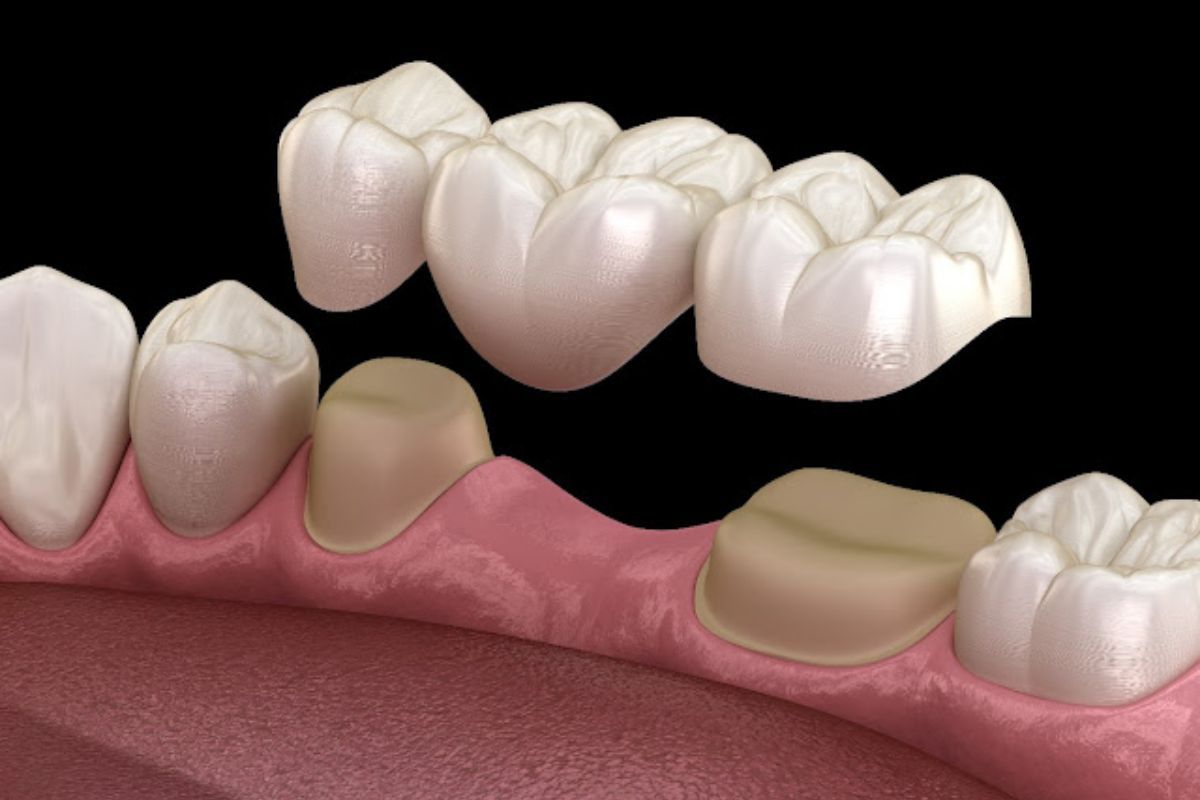
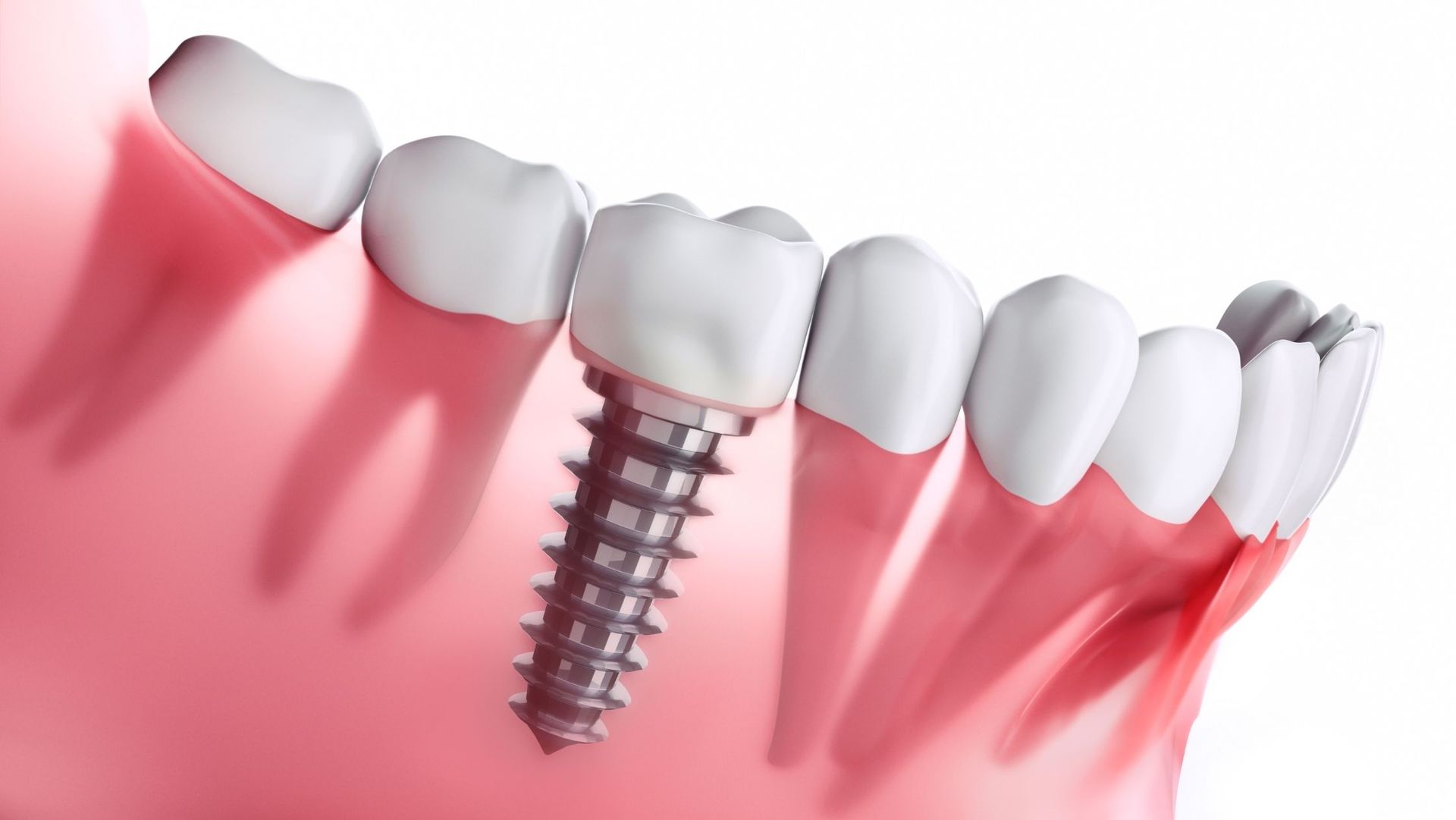
A dental crown is a custom made restoration that fully covers the visible portion of a tooth. It acts as a protective cap, restoring the tooth’s original shape, strength, and appearance. Crowns are designed to withstand daily chewing forces while blending naturally with surrounding teeth.
Crowns may be made from porcelain, ceramic, zirconia, metal, or a combination of materials. The choice of material depends on the location of the tooth, the amount of remaining structure, and cosmetic goals.
Dental crowns are commonly used in restorative dentistry to strengthen compromised teeth and extend their lifespan.
Why Dental Crowns Are Often Necessary
A dental crown may be recommended when a tooth is no longer strong enough to function safely on its own. Some of the most common reasons include the following.
Extensive Tooth Decay
Small cavities can often be repaired with fillings. When decay affects a large portion of the tooth, a filling may not provide adequate support. A crown restores strength and reduces the risk of fracture.
Cracked or Broken Teeth
Teeth can crack from biting hard foods, grinding, injuries, or aging dental work. Even small cracks can worsen over time. A crown stabilizes the tooth and prevents the crack from spreading.
After Root Canal Treatment
Root canal therapy removes infection but also leaves the tooth more fragile. A crown protects the tooth and restores normal chewing function.
Large or Failing Fillings
Fillings that cover a significant portion of a tooth can weaken the surrounding structure. A crown provides more durable long term protection.
Teeth Worn Down by Grinding
Chronic grinding or clenching can flatten teeth and alter the bite. Crowns rebuild lost tooth structure and help restore balance.
Cosmetic Improvement
Crowns can improve the appearance of teeth that are severely discolored, misshapen, or uneven when other cosmetic treatments are not sufficient.
Signs You Might Need a Dental Crown
You may need a crown if you notice one or more of the following symptoms:
- Pain or discomfort when chewing
- Sensitivity to hot or cold that lingers
- A visible crack or fracture
- A tooth that appears darker than others
- A large filling that feels loose
- A tooth that feels weak or unstable
- A tooth that has undergone root canal treatment
These symptoms should not be ignored, as early treatment can prevent further damage.
The Dental Crown Process at Dr. Sidhu & Associates
Our approach to dental crowns emphasizes comfort, precision, and long term success.
Comprehensive Examination
Your dentist begins with a detailed examination and digital imaging to assess the health of the tooth and surrounding structures. Treatment options are reviewed so you can make an informed decision.
Tooth Preparation
Any decay or damaged tooth structure is removed. The tooth is carefully shaped to allow the crown to fit securely and comfortably.
Digital Impressions
Precise impressions are taken to ensure your crown fits naturally and aligns properly with your bite.
Temporary Crown
A temporary crown is placed to protect the tooth while the permanent crown is being custom crafted.
Final Crown Placement
Once ready, the crown is checked for fit, comfort, and appearance before being bonded securely into place.
The result is a strong, natural looking restoration that restores both function and confidence.
How Long Dental Crowns Last
With proper care, dental crowns can last ten to fifteen years or longer. Longevity depends on daily habits and routine dental care.
To extend the life of your crown:
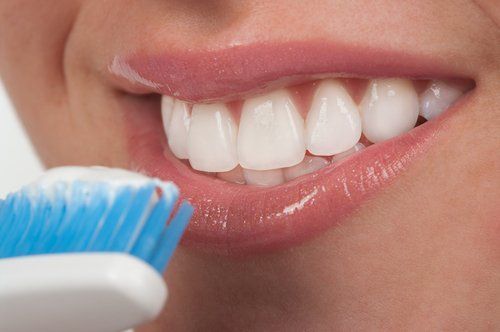
- Brush twice daily
- Floss carefully around the crown
- Avoid chewing ice or very hard foods
- Address grinding with a night guard if recommended
- Maintain routine dental visits
Regular exams allow your dentist to monitor the crown and address issues early.
Crowns as Part of Comprehensive Dental Care
Dental crowns are often part of a broader treatment plan that may include preventive care, restorative procedures, and cosmetic improvements. By preserving natural teeth with crowns, patients can often avoid extractions and more complex dental procedures.
At Dr. Sidhu & Associates, crowns are used thoughtfully as part of a comprehensive approach to oral health.
Restore Strength and Confidence to Your Smile
If you have a weakened or damaged tooth, a dental crown may be the solution that restores comfort and protects your long term oral health. Early intervention often leads to better outcomes and fewer complications.
Schedule your appointment today with Dr. Sidhu & Associates to learn whether a dental crown is right for you and take the next step toward a healthier, stronger smile.
1417 South 108th Street, West Allis, Wisconsin 53214, United States