Why Your Jaw Might Hurt and When to See a Dentist
Know the Root of Your Discomfort
Best Dental Practice in West Allis, WI
Jaw pain is a common concern that affects people of all ages. It may feel like soreness, stiffness, tightness, clicking, or sharp discomfort near the ears or temples. Some individuals notice jaw pain while chewing or speaking, while others experience headaches or facial tension related to jaw movement. At Dr. Sidhu & Associates, patients receive comprehensive evaluations to identify the cause of jaw discomfort and create personalized treatment plans.
Understanding why jaw pain occurs is the first step toward protecting comfort and long term oral health.
Understanding Jaw Pain
The jaw is supported by a complex system that includes the temporomandibular joint, muscles, ligaments, nerves, and teeth. This system works continuously throughout the day as you chew, speak, yawn, and swallow. Any imbalance or irritation within this system can lead to pain.
Jaw discomfort may be constant or intermittent. It may worsen in the morning, during meals, or during times of stress. Recognizing these patterns helps dentists identify the underlying cause.
Common Causes of Jaw Pain
One of the most common causes of jaw pain is temporomandibular joint disorder. This condition affects the joint that allows the jaw to open and close. Symptoms may include clicking or popping sounds, limited jaw movement, headaches, and facial soreness.
Teeth grinding and clenching are also frequent contributors. Many people grind their teeth during sleep without realizing it. Over time, this habit places excessive pressure on the jaw muscles, leading to soreness, stiffness, worn enamel, and cracked teeth.
Dental infections can cause jaw pain that radiates from an affected tooth. An infected tooth may produce deep throbbing discomfort that worsens without treatment.
Impacted teeth, particularly wisdom teeth, can create pressure, swelling, and jaw pain when there is not enough space for proper eruption.
Jaw injuries from falls, accidents, or sports can strain muscles or damage the joint, resulting in lingering discomfort.
Arthritis can affect the jaw joint, causing stiffness, reduced movement, and chronic pain.
Sinus congestion or infection can also create pressure that feels like jaw or tooth pain due to the proximity of the sinuses to the upper jaw.
How Bite Alignment Affects Jaw Comfort
Bite alignment plays a significant role in jaw health. When teeth do not fit together properly, the jaw muscles and joints must work harder to compensate. Over time, this extra strain can lead to inflammation, fatigue, and pain.
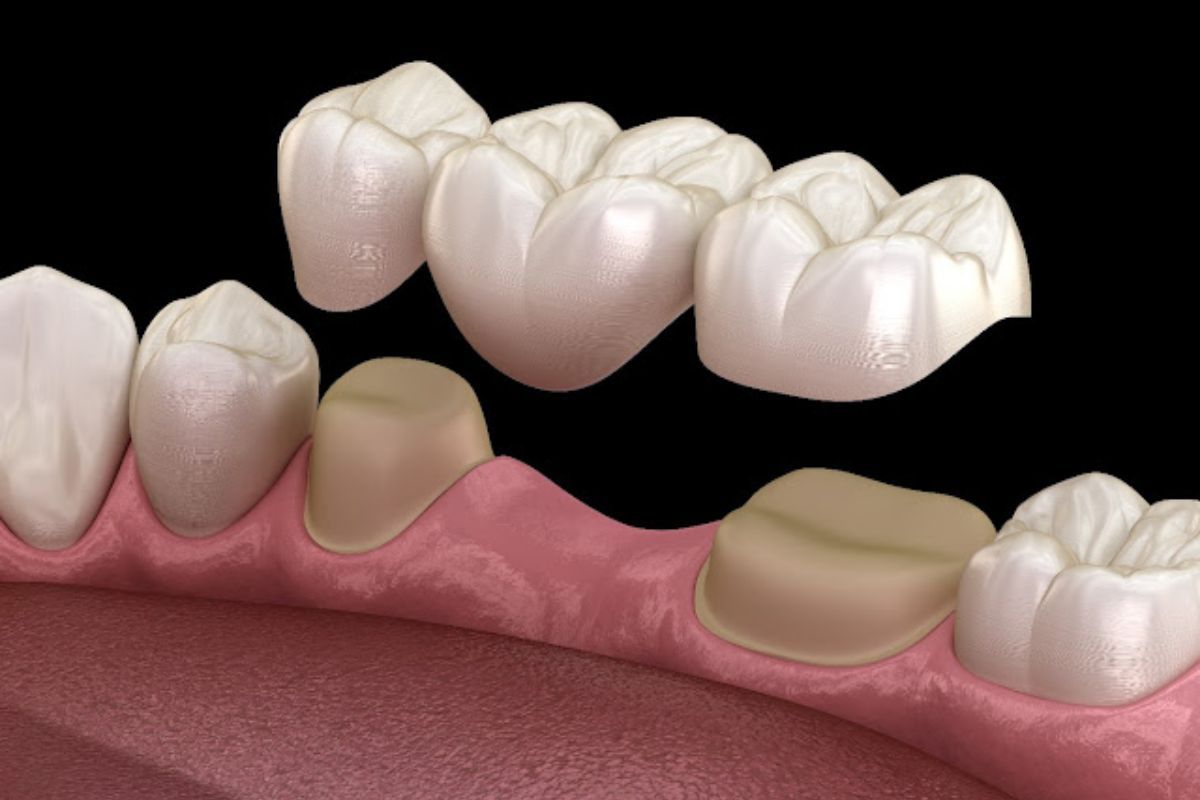
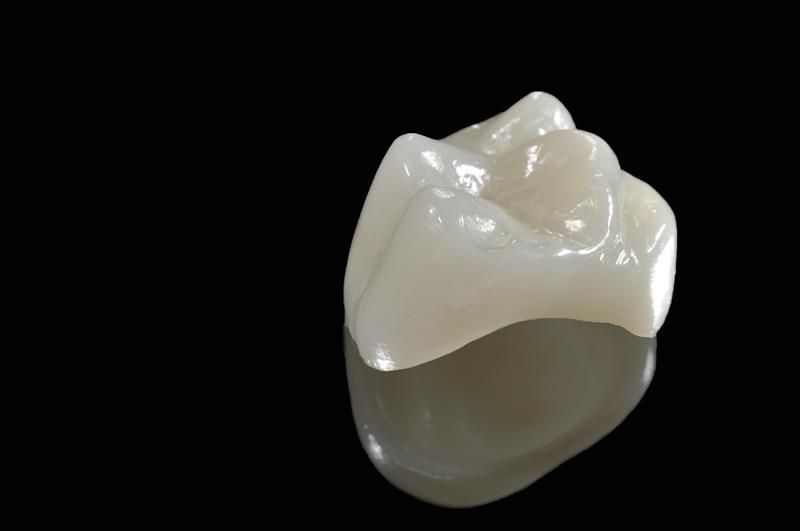
Restorative treatments that improve bite balance often help reduce jaw discomfort and support long term comfort.
When to See a Dentist for Jaw Pain
Jaw pain that lasts more than a few days should always be evaluated. You should schedule a dental visit if you experience difficulty opening or closing your mouth, jaw locking, pain while chewing, clicking accompanied by discomfort, frequent headaches, swelling near the jaw, or tenderness around a specific tooth.
Sudden severe pain, swelling, or signs of infection should be addressed promptly.
How Jaw Pain Is Diagnosed
Diagnosis begins with a detailed discussion of symptoms, habits, and medical history. Your dentist examines jaw movement, muscle tension, bite alignment, and tooth wear. Digital imaging may be used to identify infections, impacted teeth, bone changes, or joint abnormalities.
At Dr. Sidhu & Associates, diagnosis focuses on understanding the entire oral system rather than treating symptoms alone.
Treatment Options for Jaw Pain
Treatment depends on the underlying cause.
For grinding or clenching, a custom oral appliance may be recommended to reduce pressure on the jaw joint and protect the teeth.
Temporomandibular joint related discomfort may be managed with exercises, heat therapy, medication, or bite adjustments.
If infection is present, prompt dental treatment is essential to relieve pain and prevent complications.
Restorative care may be recommended if worn or damaged teeth contribute to bite imbalance.
If impacted or severely damaged teeth are causing pain, removal may be recommended to eliminate the source of discomfort.
At Home Strategies for Mild Jaw Pain
While professional care is essential, some steps may help manage mild symptoms.
Applying warm compresses can relax tense muscles. Eating softer foods reduces strain on the jaw. Avoiding gum chewing prevents overuse. Stress management techniques may help reduce clenching.
Maintaining good posture also supports jaw comfort by reducing tension in the neck and shoulders.
When Jaw Pain Requires Immediate Attention
Seek immediate care if jaw pain is accompanied by swelling, fever, difficulty breathing, or sudden inability to open the mouth. These symptoms may indicate infection or injury that requires urgent treatment.
Comprehensive Jaw Care at Dr. Sidhu & Associates
Jaw pain can disrupt comfort, focus, and quality of life, but relief is possible with proper evaluation and care. At Dr. Sidhu & Associates, the team is committed to identifying the cause of discomfort and creating personalized treatment plans that restore comfort and protect long term oral health.
Whether jaw pain is related to grinding, infection, joint issues, or bite imbalance, the goal is to help every patient return to comfortable, confident living.
1417 South 108th Street, West Allis, Wisconsin 53214, United States